Contenido
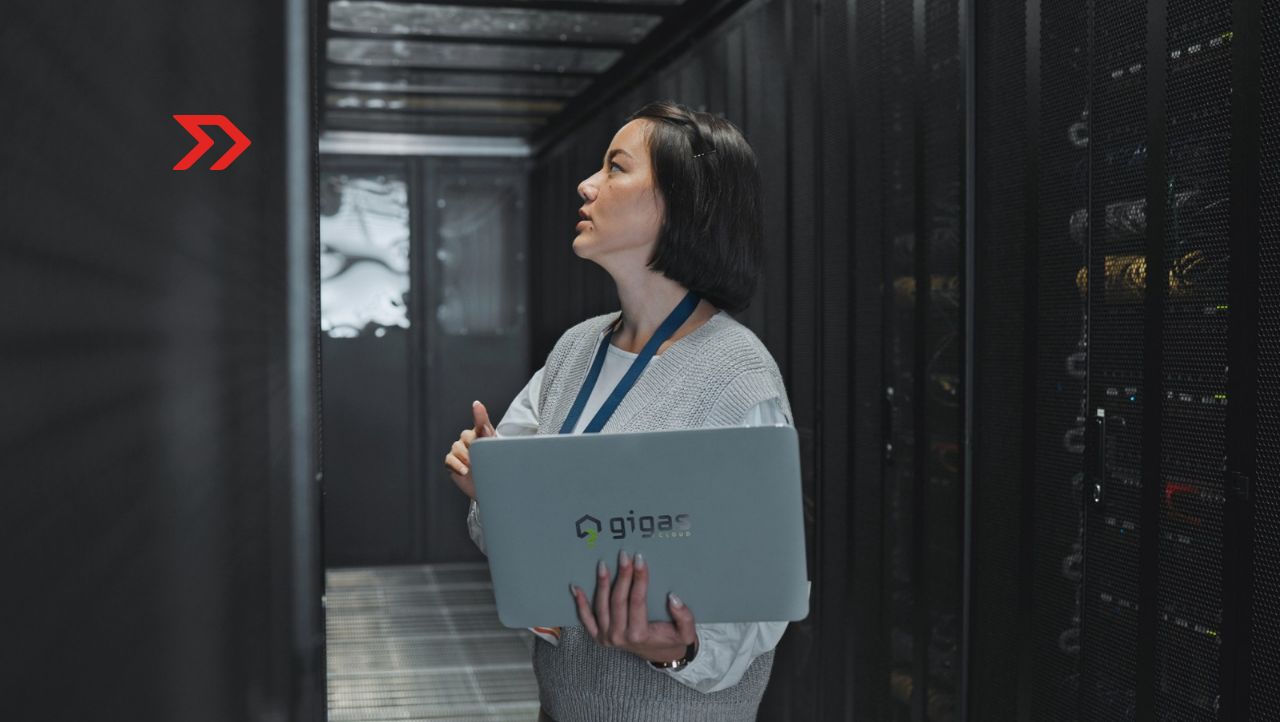
Grupo Gigas, la multinacional española especializada en servicios de cloud, ciberseguridad y comunicaciones para empresas, anunció el lanzamiento de Biblion, plataforma de IA generativa diseñada específicamente para entornos corporativos privados.
La solución llega en un momento de adopción acelerada de herramientas de Inteligencia Artificial generativa en el que las organizaciones quieren aprovechar la capacidad de los grandes modelos de lenguaje, pero sin comprometer la confidencialidad de su información interna ni perder el control sobre su conocimiento estratégico.
Suscríbete a Mundo Ejecutivo para leer contenido exclusivo y recibir beneficios
Uso de IA en las empresas
En México, el 27% de las organizaciones asegura contar con una estrategia de inteligencia artificial claramente definida y alineada con sus objetivos corporativos.
No obstante, solo el 41% posee un conocimiento general sobre la IA, sin haber desarrollado aún un caso de negocio.
Además, otro 31% muestra interés en implementar esta tecnología, aunque todavía carece de claridad sobre cómo llevarla a cabo.
Según estudios recientes del sector, más de un tercio de la información que los empleados introducen en herramientas de IA pública es de carácter sensible.
Seguridad de la información
Esta solución permite a las empresas consultar, sintetizar y conversar con su propia documentación interna mediante lenguaje natural, apoyándose en modelos avanzados de lenguaje (LLM) combinados con técnicas de Retrieval-Augmented Generation (RAG).
A diferencia de los modelos públicos generalistas, la plataforma responde exclusivamente a partir del corpus documental autorizado por la organización, evitando el uso de fuentes externas y reduciendo el riesgo de respuestas imprecisas o no verificadas.
Descarga la Nueva Revista de Mundo Ejecutivo del mes de Febrero, con Gonzalo Araújo en la portada
IA generativa con trazabilidad y control total del dato
Uno de los principales diferenciales de la IA generativa de Gigas es su capacidad de ofrecer respuestas trazables. Cada respuesta generada incluye la referencia directa a los documentos y páginas concretas utilizadas en su elaboración, lo que permite verificar la fuente original y aporta un nivel de fiabilidad especialmente relevante en departamentos legales, técnicos o regulatorios.
La solución está diseñada para transformar grandes volúmenes de documentación —manuales técnicos, normativas, procedimientos internos, bases de conocimiento o reglamentos— en información accesible en segundos.
De igual manera la plataforma admite documentación en formato PDF, incorpora control de versiones y permisos diferenciados por roles, así como histórico de consultas y estadísticas de uso.
También soporta entornos multilingües, permitiendo cargar documentación en distintos idiomas y generar respuestas en el idioma en que se formule la consulta.
Arquitectura RAG en nube privada
Biblion se apoya en una arquitectura que integra bases de datos vectoriales, técnicas de vectorización semántica y fragmentación inteligente (chunking), optimizando la recuperación de información relevante. Este enfoque permite actualizar el conocimiento documental sin necesidad de reentrenar el modelo completo, garantizando agilidad y precisión.
La solución se despliega como Software como Servicio (SaaS) en la nube privada de Gigas, en un entorno dedicado para cada cliente. La documentación del cliente permanece íntegramente en la infraestructura de Gigas. Las consultas y respuestas se registran en el entorno privado del cliente, y la información enviada al modelo de lenguaje no se utiliza para entrenar modelos de terceros.
El sistema incorpora autenticación en dos factores (2FA), cifrado en tránsito y en reposo, y puede integrarse en entornos corporativos cerrados, como intranet o VPN, cuando así lo requiera la organización.
Según Víctor Guerrero, CEO del Grupo Gigas, las empresas necesitan integrar la Inteligencia Artificial generativa en sus procesos, pero sin renunciar a la soberanía de su información.
“Biblion combina la potencia de los modelos de lenguaje con un entorno privado, trazable y controlado, alineado con las exigencias de seguridad de los entornos corporativos”.
Esta IA generativa marca un punto de inflexión en la evolución de la nube privada hacia modelos de Inteligencia Artificial generativa soberana, en los que las organizaciones pueden integrar LLM en sus procesos críticos sin renunciar al control, la trazabilidad y la gobernanza de su conocimiento corporativo, consolidando la soberanía del dato como eje estratégico de la transformación digital.
Síguenos en Google Noticias para mantenerte informado