
Contenido
El comercio mundial se encuentra en un punto de inflexión histórico debido a la erosión de la confianza en el sistema multilateral basado en normas, el aumento de medidas unilaterales y la parálisis de funciones esenciales de la Organización Mundial del Comercio (OMC), las cuales amenazan con debilitar uno de los pilares fundamentales del crecimiento económico global.
Ante este escenario, la International Chamber of Commerce (ICC) presentó su Llamamiento a la Acción rumbo a la Decimocuarta Conferencia Ministerial de la OMC (CM14), que se celebrará del 26 al 29 de marzo de 2026 en Yaundé, Camerún.
Suscríbete a Mundo Ejecutivo para leer contenido exclusivo y recibir beneficios
Afectaciones comerciales
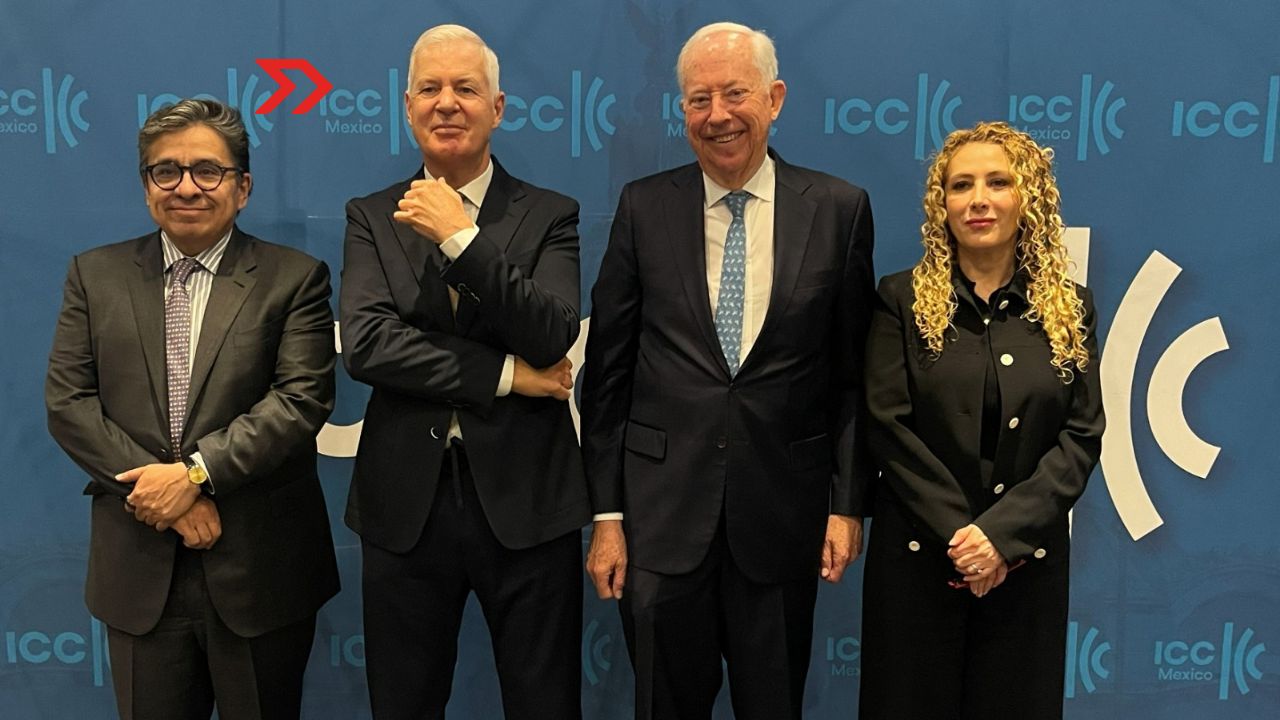
Este llamamiento fue presentado en la Ciudad de México por John W.H. Denton AO, secretario general de la ICC global, conocida también como la Organización Mundial de las Empresas, la cual representa institucionalmente a más de 45 millones de empresas en más de 170 países.
Desde la perspectiva de las empresas, un colapso del sistema multilateral tendría consecuencias severas: menos exportaciones, mayor incertidumbre, pérdida de inversiones y afectaciones directas al empleo. Y, para México, una economía profundamente integrada a las cadenas globales de valor, el fortalecimiento de la OMC no es una opción ideológica, sino una necesidad estratégica.
Pacto para el Comercio, el Crecimiento y el Empleo
En este contexto, la ICC propone el Pacto para el Comercio, el Crecimiento y el Empleo, una hoja de ruta práctica que combina dos frentes: por un lado, un llamado a los gobiernos para iniciar en la Decimocuarta Conferencia Ministerial, una ronda formal de negociaciones de reforma de la OMC.
Por otro lado, un conjunto de soluciones inmediatas que gobiernos y empresas pueden implementar para reducir fricciones comerciales, especialmente en beneficio de las pequeñas y medianas empresas (Pymes), responsables de alrededor del 90% de las empresas y más del 50% del empleo a nivel mundial.
Descarga la Nueva Revista de Mundo Ejecutivo del mes de Febrero, con Gonzalo Araújo en la portada
La ICC subraya que revitalizar el comercio comienza en las fronteras con la plena implementación del Acuerdo sobre Facilitación del Comercio, la transición del comercio en papel al comercio digital, el uso de certificados de origen electrónicos y la modernización aduanera, los cuales permitirían reducir costos, acelerar flujos y ampliar la participación de las Pymes en los mercados internacionales.
Más allá de las fronteras, el Pacto plantea la urgencia de actualizar las normas multilaterales para responder a realidades como los subsidios industriales, los flujos de datos transfronterizos, los controles a la exportación, los minerales críticos y la relación entre comercio y cambio climático. La falta de reglas claras y modernas en estos ámbitos alimenta distorsiones, fragmentación regulatoria y tensiones geoeconómicas que terminan afectando a empresas y consumidores.
Acceso al financiamiento del comercio
Asimismo, la ICC enfatiza que un entorno propicio para el comercio requiere mejorar el acceso a la financiación del comercio y fortalecer los mecanismos de resolución de controversias, de modo que las empresas —en especial las Pymes— cuenten con instrumentos ágiles y asequibles para operar y proteger sus derechos.
De cara a la CM14, la ICC exhorta a los ministros de comercio a conformar una “coalición de los dispuestos” que lidere la modernización de la OMC, incluso mediante acuerdos plurilaterales, si no se alcanza consenso pleno. El objetivo es claro: preservar los principios de no discriminación, previsibilidad y apertura, al tiempo que se actualiza el marco normativo para el siglo XXI.
Consolidación del comercio
Para ICC México, este llamado representa una oportunidad para que el país refuerce su liderazgo como defensor del comercio basado en reglas, impulse condiciones más favorables para la inversión y consolide al comercio como una herramienta de desarrollo incluyente.
En el marco del 80 aniversario de ICC México, John W.H. Denton AO y expertos mundiales en comercio coincidieron en que “en el mundo sólo hay paz cuando existe comercio constante y fluido entre las naciones. La prosperidad ayuda a que las sociedades sean mejores y cuenten con mayores condiciones de bienestar para sus ciudadanos”.
Subrayaron, además, que la agenda de la ICC global y de sus representaciones nacionales, como ICC México, va más allá de las coyunturas: busca construir soluciones de largo plazo que fortalezcan la cooperación, la certidumbre y el desarrollo sostenible.
El mensaje del sector empresarial global en la voz de John W.H. Denton AO es contundente: la economía real no puede funcionar con un sistema multilateral debilitado, por lo que es indispensable modernizar la OMC y aplicar soluciones prácticas para asegurar que el comercio siga siendo un motor de crecimiento, innovación y empleo de calidad para las próximas generaciones.
Síguenos en Google Noticias para mantenerte enterado